
THE LAW WORKS. FOR THE FEW
Numbers that shock. Luxury emissions beyond the reach of regulation.
Private jets, superyachts, global supply chains, and investment portfolio emissions — some of the most carbon-intensive sectors of the economy remain outside any meaningful framework of climate accountability. The figures below illustrate the scale of emissions and pollution that largely fall beyond the reach of climate regulation.
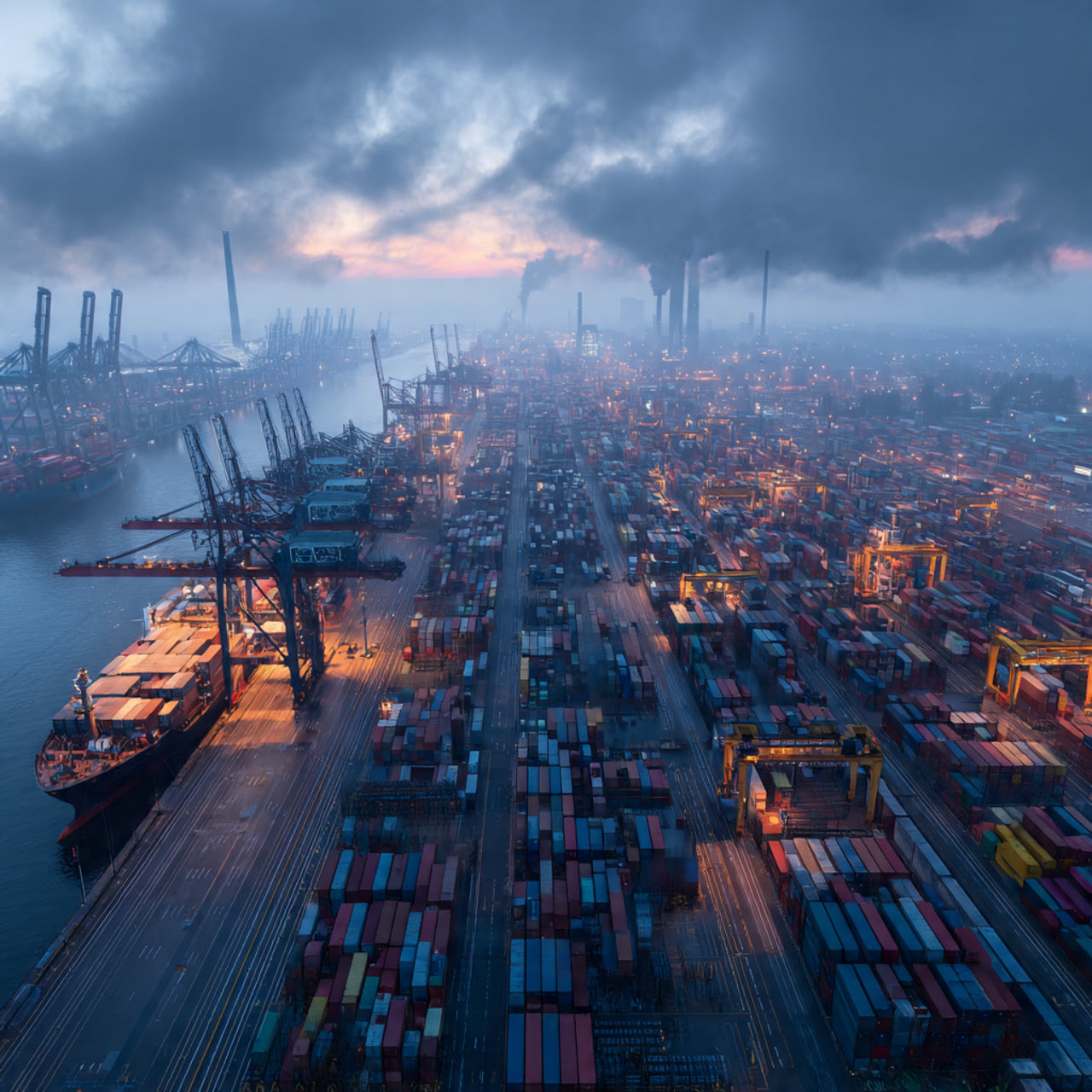
THE SCALE THAT NEVER MAKES IT INTO REPORTS
393,000,000 tonnes of CO₂e
This is how much the investments of the world’s 125 wealthiest billionaires emit per year.
- That equals the annual emissions of the entire country of France — 84 million people.
- That is the equivalent of 131 large coal-fired power plants running for a full year.
- That is the equivalent of 12.5 tonnes of CO₂ released into the atmosphere every second.
The largest emissions are invisible — because the law allows them to be.
Why do these numbers matter?
Climate emissions are a global problem — but their sources are distributed in deeply unequal ways.
The wealthiest 1% of the population is responsible for more emissions than the poorer half of humanity combined.
This is not a matter of lifestyle. It is a matter of legal design — a system that requires no reporting, imposes no fees, and carries no consequences.

LUXURY EMISSIONS
Private jets
15,620,000 tonnes of CO₂ per year — the total emissions of private aviation.
- That equals the annual emissions of 3.3 million people.
- That is equivalent to 3.4 million cars driving for an entire year.
- 47% of all private flights cover routes under 500 km — distances easily served by train.
Legal gap: 67% of these emissions are not covered by the EU ETS. Not by accident — by design.
Private jet emissions vs annual emissions of an average EU citizen
Move the slider to see how quickly luxury emissions scale.
LUXURY EMISSIONS
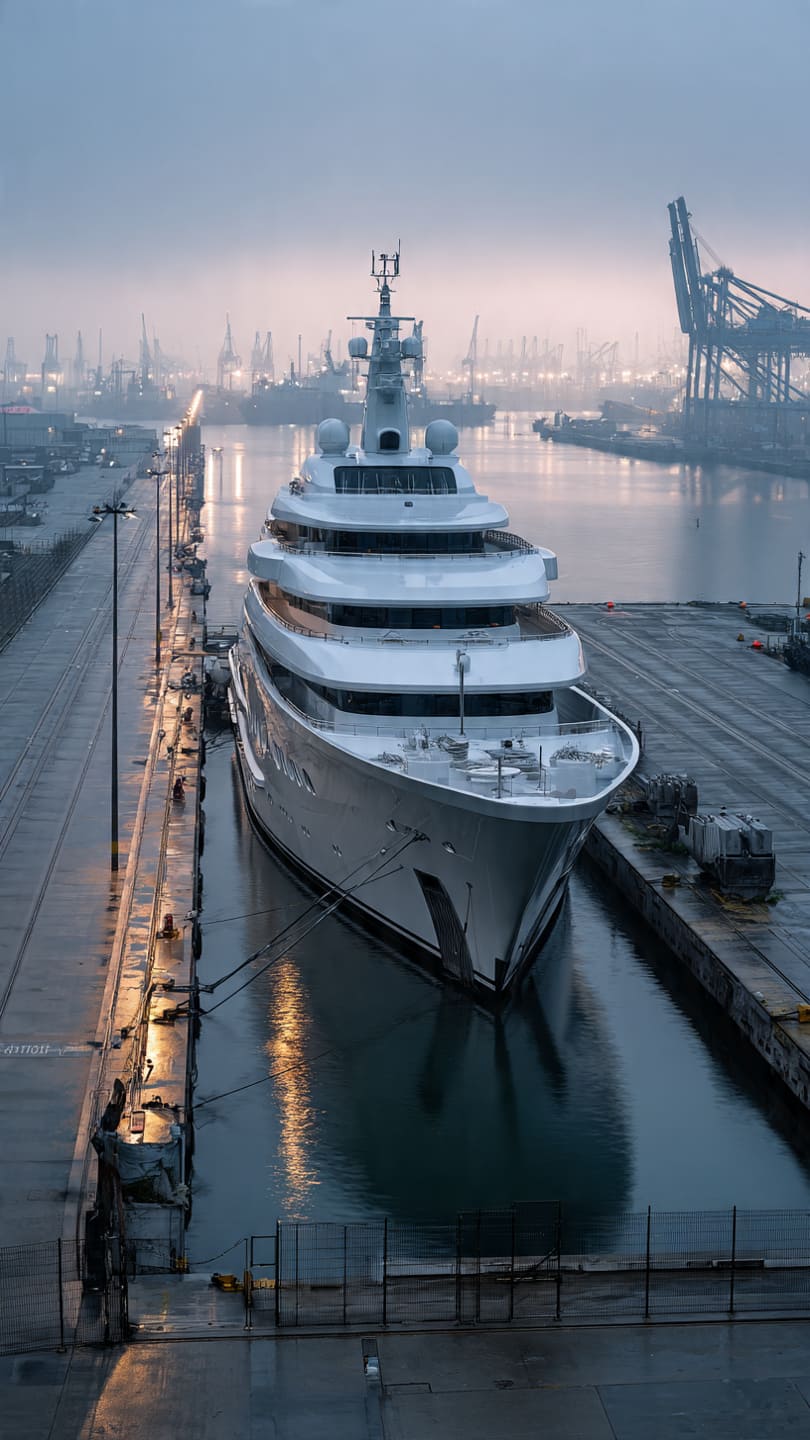
Superyachts
285,000 tonnes of CO₂ per year — the total emissions of the 300 largest superyachts.
- That equals the annual emissions of 60,000 people.
- A superyacht emits an average of 5,672 tonnes of CO₂ per year — equivalent to 1,200 people.
- The yacht Koru (Jeff Bezos), together with its support vessel: 7,154 tonnes per year — equivalent to 1,500 people.
Regulatory gap: A significant portion of private superyachts remain outside the scope of the EU ETS for shipping and the FuelEU Maritime regulation.
Superyacht emissions vs annual emissions of passenger cars
Move the slider to see how quickly private luxury at sea scales into mass-level emissions.
FINANCE AND INVESTMENTS
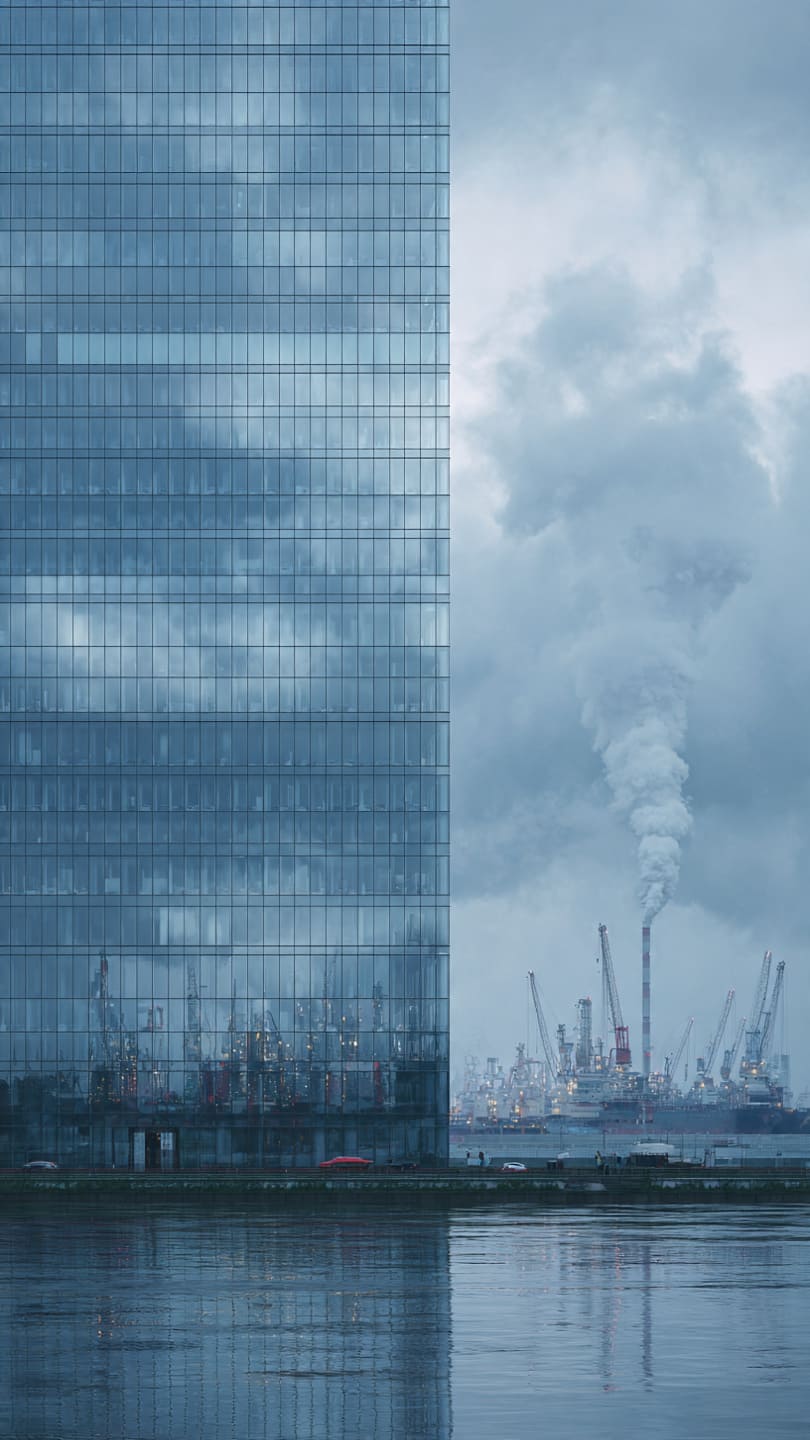
Billionaire investment portfolios
3,144,000 tonnes of CO₂e per year — the average emissions generated by a single billionaire’s investment portfolio.
- That equals the annual emissions of 669,000 people.
- That is equivalent to 683,000 cars driving for an entire year.
- 125 billionaires combined: 393 million tonnes of CO₂e — equal to the entire country of France.
Legal gap: Most of these emissions are reported nowhere. There is no regulation that requires it.
Investment portfolio emissions vs annual emissions of EU citizens
Move the slider to see how financed emissions can scale far beyond personal lifestyle emissions.
FINANCE AND INVESTMENTS
Fast fashion, biomass, pesticides…
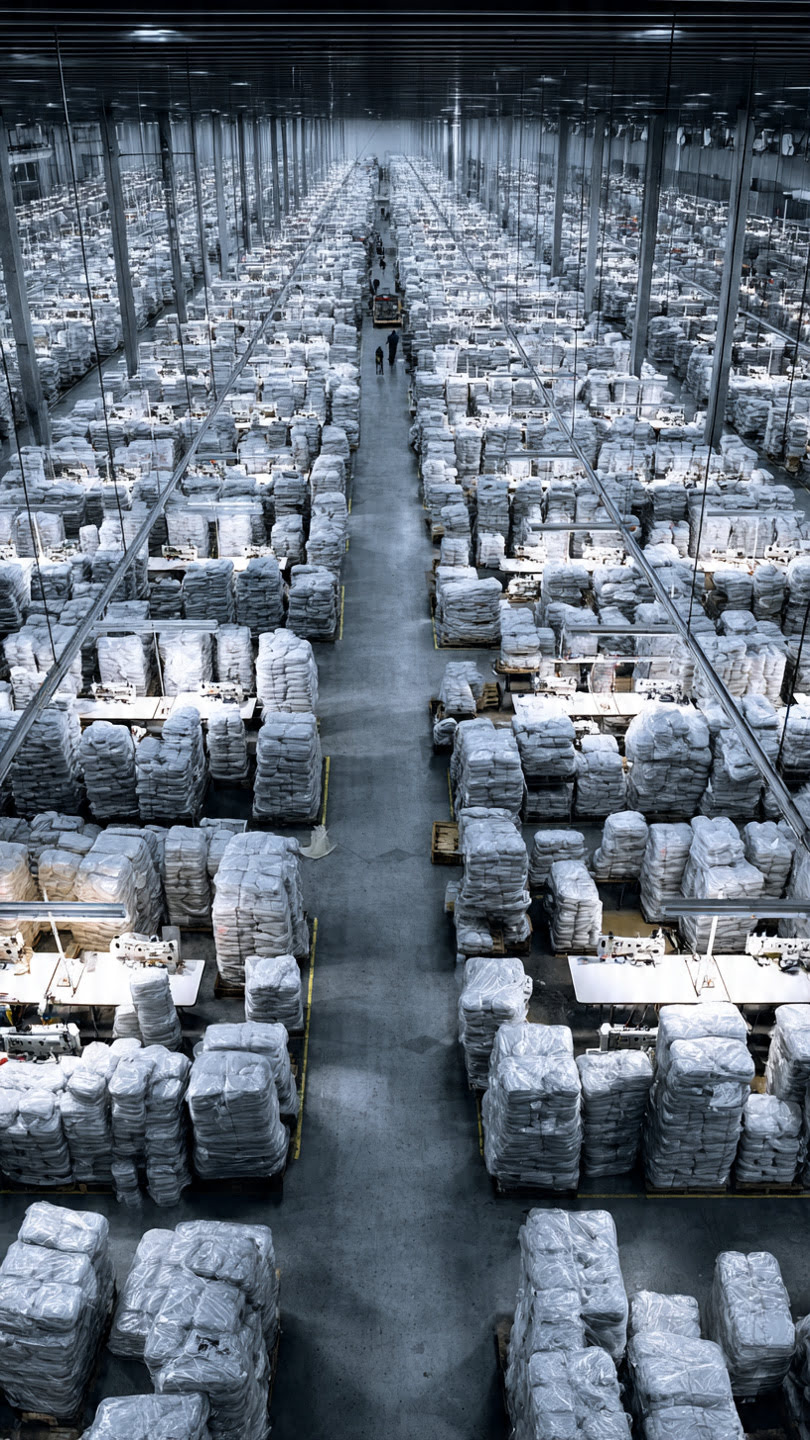
100 billion+ garments per year — the output of the global fast fashion industry.
- The textile industry accounts for 8–10% of global CO₂ emissions — more than aviation and shipping combined.
- Biomass makes up 40% of the EU's "renewable energy" — burning wood still counts as zero emissions.
- Pesticides banned in the EU are legally exported — and return as residues in imported food
Legal gap: Each of these sectors operates in a regulatory grey zone. The law exists — but its loopholes are the size of a container ship.
Fast fashion emissions vs annual emissions of EU citizens
Move the slider to see how mass overproduction in fashion scales into population-level emissions.
WHAT ARE WE GOING TO DO ABOUT IT?
Data is just the beginning.
Every one of these figures has a root cause — a specific provision, directive, or legal loophole. We document them. We name them for what they are. And we design solutions to close them.