World 3.0 is an analytical initiative examining the hidden structure of climate impact — we reach beyond standard narratives and surface-level emissions statistics. We focus on the critical intersection of capital, consumption, and regulatory gaps, producing analyses that make complex systems understandable in a clear and comparable way.
The substantive foundation of all our materials is in-depth expert interviews and collaboration with researchers and institutions working in climate policy, emissions science, and legal regulation. Their knowledge forms the intellectual core on which we build our work.
The Foundation’s Board serves as the operational and organisational engine. As the executive body, we are responsible for structure, operational momentum, and strategic project management. Our role is to translate academic and expert knowledge precisely into accessible analytical formats and effective instruments of change.
Our approach is grounded in data, structure, and precision — instead of simplified messaging, we offer rigour. We collaborate with individuals and institutions who, like us, value critical thinking, accuracy, and working with hard data.
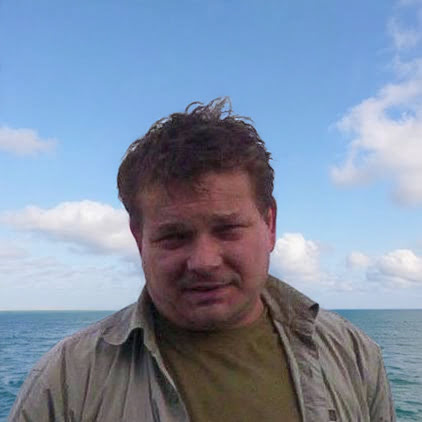
KRZYSZTOF OKLIŃSKI
Board Member responsible for analytical strategy and systemic operations.
Focuses on gaps between EU climate policy, capital flows, and high-emission sectors — energy, cement, steel, and chemicals.
Works with public, verifiable data: EU ETS installation data, company registers and beneficial ownership data, and CSRD / ESG reports. His role is to compare what companies and financial institutions declare with where capital is actually allocated, and to turn those findings into usable analytical tools: datasets, evidence reports, and intervention briefs.
At World 3.0, he leads the translation of expert knowledge and ESG regulation into structured analyses that can be checked, reproduced, and challenged.

JAN OKLIŃSKI
Board Member responsible for technology implementation and data science.
Builds the tools that turn dispersed climate and financial data into comparable analytical models. His work focuses on automating the first stage of analysis: collecting, cleaning, and linking emissions reporting, corporate disclosures, and regulatory data so gaps can be identified systematically, not anecdotally.
He is responsible for the technical integrity of the platform — data sources, versioning, and methodology documentation — so that every published analysis shows where the data comes from and how it was processed.
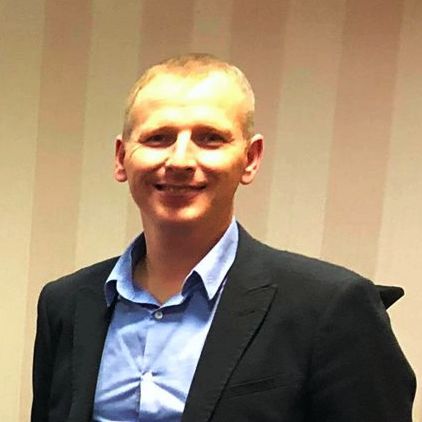
ZBIGNIEW GRZYBOWSKI
Board Member responsible for infrastructure and technical delivery.
An electrical engineer and renewable energy practitioner. He translates systemic analyses into technical reality — from specialist audits of energy installations to assessment of whether a declared low-emission technology performs as reported in real operating conditions.
His role is technical verification: checking project assumptions against engineering standards, installation data, and actual efficiency. This allows the Foundation to assess not only what is declared in policy documents, but what is physically achievable and verifiable on site.